
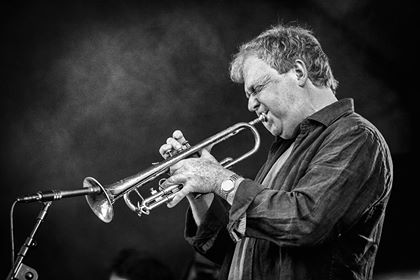
Tornio-based Jukka Piiroinen presents his photographs of jazz musicians on Jazzkuvia exhibition at Tornio City Hall from 19 to 29 June.
Jukka Piiroinen: Jazzkuvia
Photography exhibition at Tornio City Hall gallery from 19 to 29 June.
Jazzkuvia exhibition features over forty black and white photographs of jazz musicians. Jukka Piiroinen, a Tornio-based class teacher, photographer and devotee of jazz music, has taken the photographs at jazz concerts between 2006 and 2017.
Three questions of jazz photographing:
Why jazz photography?
The topic of the exhibition is carefully defined; the jazz musicians. But besides the narrow subject, I try to obtain a wider photographic expression with my photos. The teamwork of light and shadow is repeated in pictures, which gives them a touch of space. The photograph captures movement, in other words time. The famous critical moment is always in view.
The pictures present very intent people captured amidst an artistic work. Jazz musicians usually work in the marginal of the dominant culture and create artistically ambitious music there. They deserve to be photographed.
Why black and white photography?
Jazz photography was born in the era of black and white photographs. Therefore my black and white pictures are linked to the tradition of jazz photography and the masters’ works that have inspired me with my work. The photographers such as William Claxton, Roy DeCavara and Lee Tanner are counted among them. On top of that, black and white style simplifies the unnatural colors of stage lights to different tones of black, white and grey.
About jazz photography
Jazz is usually played in concerts where the audience has come to listen the performer, not to follow the photographer swinging with the camera. This is way I aim to follow Roy DeCavara’s principals:
‘I respect what I'm looking at. I do not intrude. I stay back, and I wait until something happens. And then I take my picture, and then I wait again. I do not get up in front of people and poke my camera in their faces. I sit back and keep as quiet and invisible as I can, and I wait.’
In a way photographing jazz musicians is like fishing. Good catch comes to those who wait.
Photography: Jukka Piiroinen: trumpeter Staffan Svensson, Raahen Rantajatsit, 2012